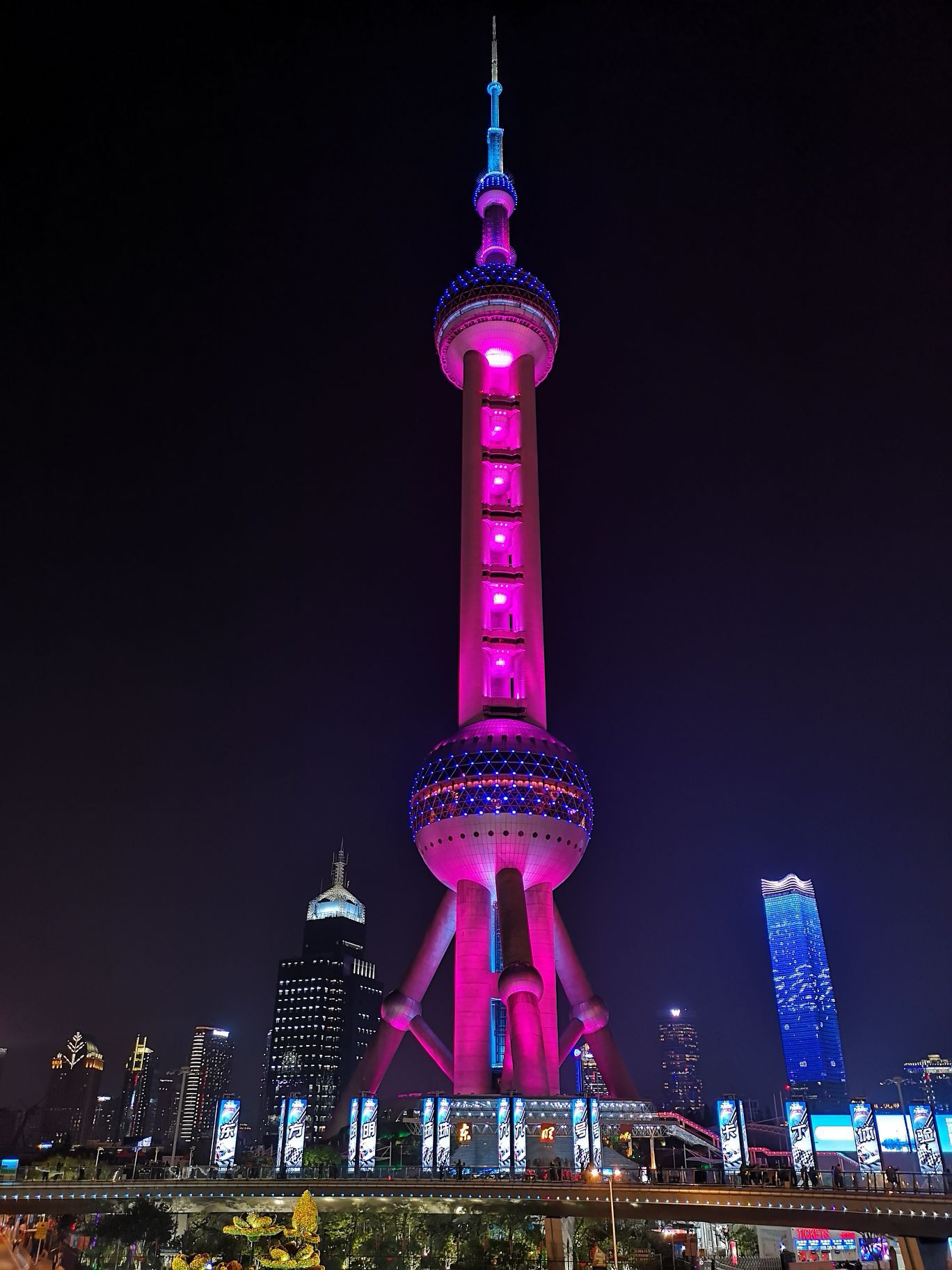
For travelers accustomed to moving between global capitals, the Bund rarely feels like a checklist destination. Instead, it reveals itself as a place best experienced slowly—on foot, without urgency, and preferably with time to linger.
Stretching along the western bank of the Huangpu River, the Bund functions less as an attraction and more as an urban gallery. It’s where Shanghai’s layered identity becomes quietly legible: not explained through plaques or museums, but felt through proportion, material, and atmosphere. For many discerning visitors, this understated clarity makes the Bund an essential chapter in any Shanghai travel guide.
Architectural Restraint | The Historic Grandeur of the Bund
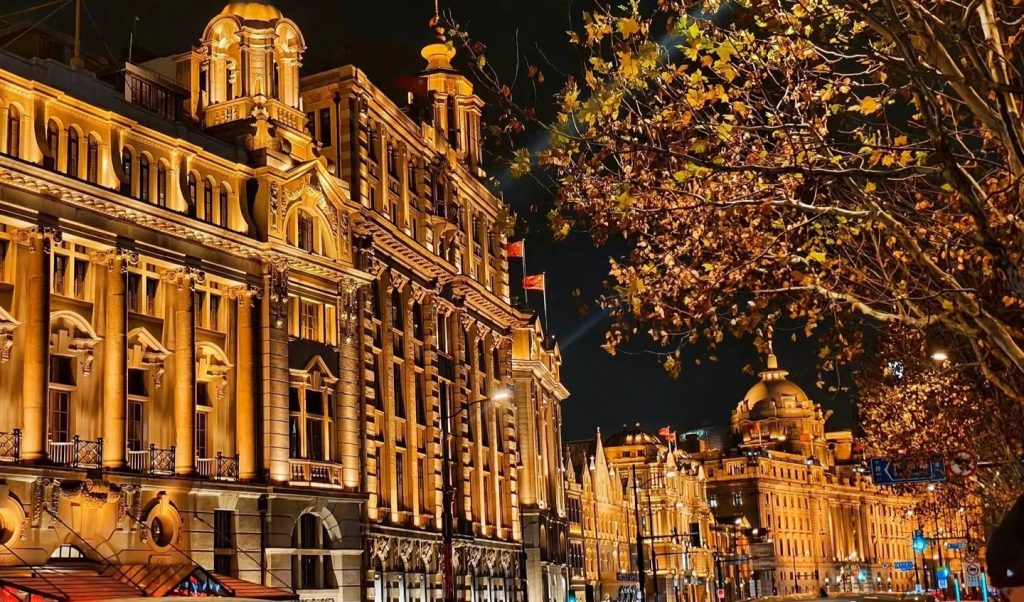
What immediately commands attention on the Bund is not height, but balance. A continuous row of early 20th-century buildings lines the avenue—former banks, trading houses, and hotels designed in Neoclassical, Art Deco, and subtly Baroque styles. Often referred to as the “Bund International Architecture Ensemble,” these structures share a consistent rhythm despite their stylistic differences.
Their appeal lies in restraint: solid stone façades, measured ornamentation, and human-scaled proportions. For Western travelers familiar with European urban centers, the streetscape can evoke parts of Paris or London—yet the setting, the light, and the context are unmistakably Shanghai. This refined tension between familiarity and difference defines much of the Bund’s allure.
The Huangpu River | A Natural Axis of Time

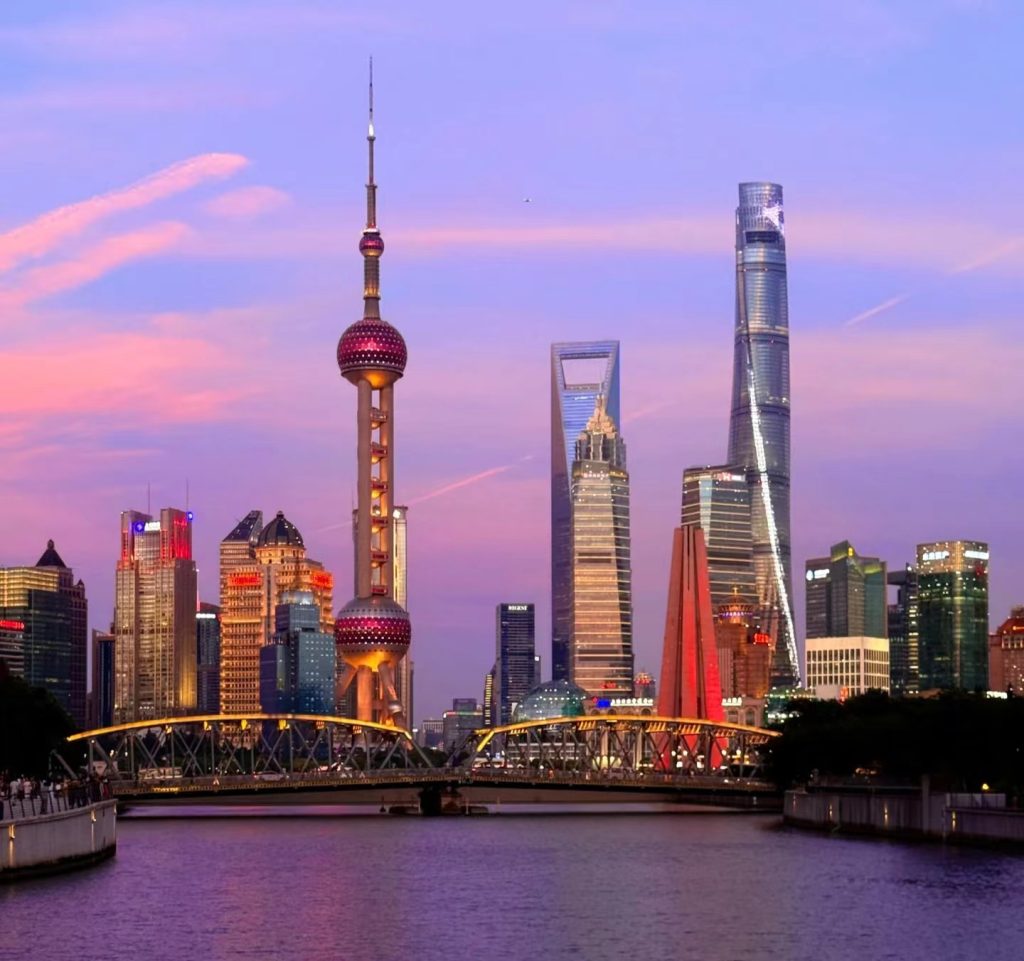
The Huangpu River does more than separate two sides of the city—it separates two philosophies of urban expression. On the Bund side, architecture communicates permanence and legacy. Across the water, glass towers and steel silhouettes of Pudong’s Lujiazui district speak of efficiency, ambition, and speed. The river itself remains calm, functional, and quietly authoritative, carrying ferries and cargo vessels as it has for generations.
For high-end travelers, this juxtaposition requires no explanation. Simply standing along the riverbank offers one of the most eloquent Shanghai sightseeing experiences—a visual narrative of continuity and reinvention.
Lujiazui | Shanghai’s Contemporary Counterpart
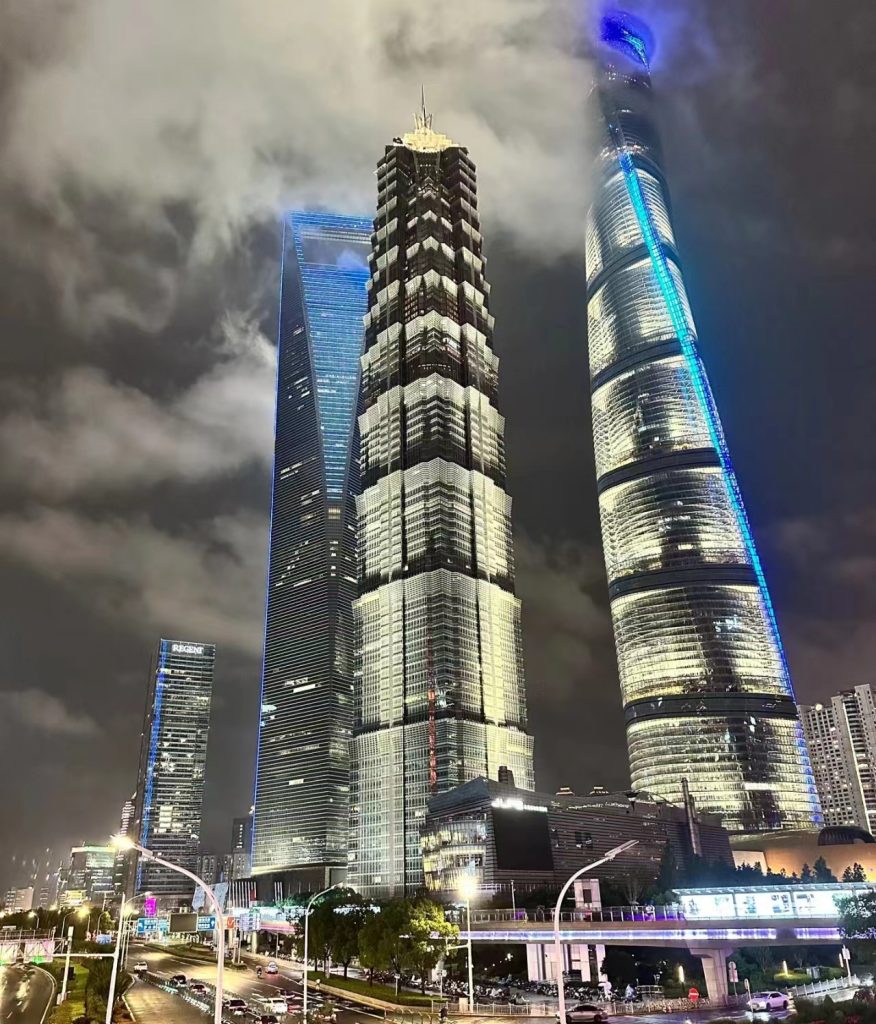
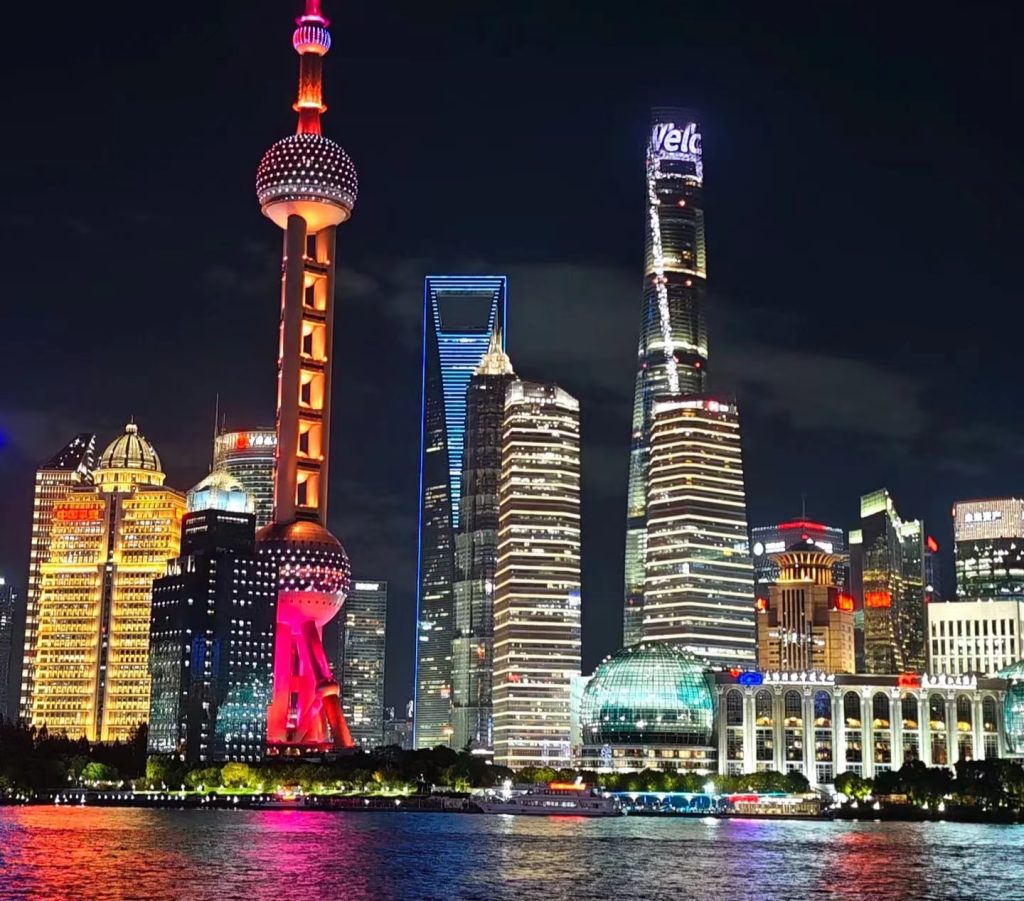
Seen from the Bund, Lujiazui’s skyline feels deliberately composed rather than chaotic. Shanghai Tower, the World Financial Center, and the Oriental Pearl rise with confidence, their forms precise and unapologetically modern. From this vantage point, the contrast becomes architectural rather than ideological—old and new sharing the same horizon without diminishing each other.
This perspective is particularly compelling for travelers who appreciate cities not for spectacle alone, but for how thoughtfully they layer time. It’s one of the most quietly powerful things to do in Shanghai, especially at dusk.
Waibaidu Bridge | A Pause in the Narrative
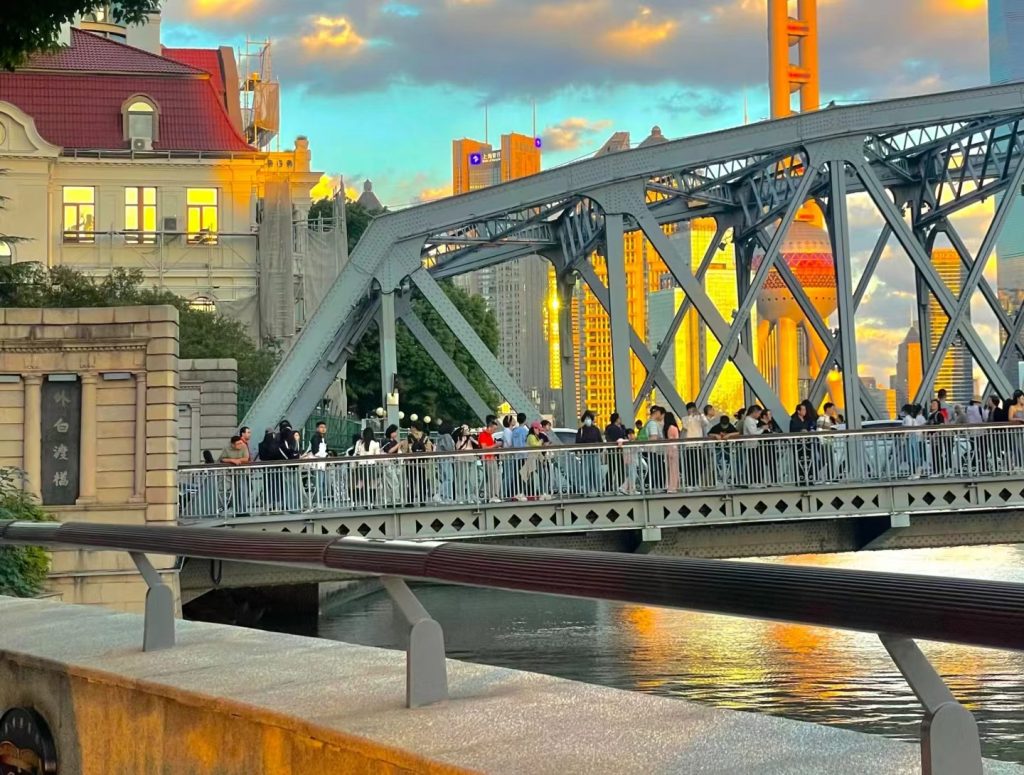
A short walk north leads to Waibaidu Bridge, where the Huangpu meets Suzhou Creek.
Unlike the main Bund promenade, this area is noticeably calmer. The steel structure of the bridge, long featured in historical photographs, frames a multi-layered cityscape: waterways below, historic façades nearby, and modern towers receding into the distance. For travelers seeking moments of reflection rather than crowds, this is an ideal place to pause—camera optional, observation essential.
The Peace Hotel | Enduring Elegance on the Bund
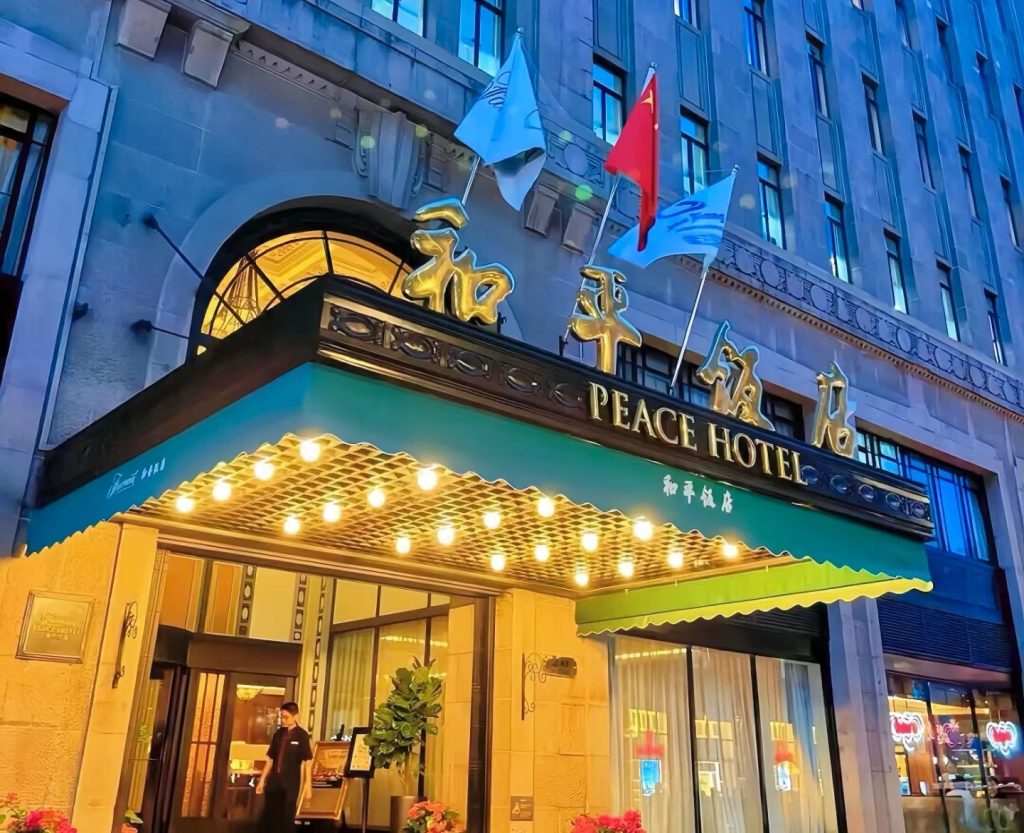
Among the Bund’s landmarks, the Peace Hotel retains a particular gravitas.
An Art Deco masterpiece, it once served as a social anchor for Shanghai’s international elite. Today, its presence remains quietly authoritative. Even without stepping inside, its copper-green roofline and symmetrical façade communicate a sense of continuity rarely found in rapidly evolving cities. For culturally attuned visitors, the Peace Hotel represents not nostalgia, but endurance—history that still occupies space with confidence.
The Bund After Dark | Understated, Not Performative
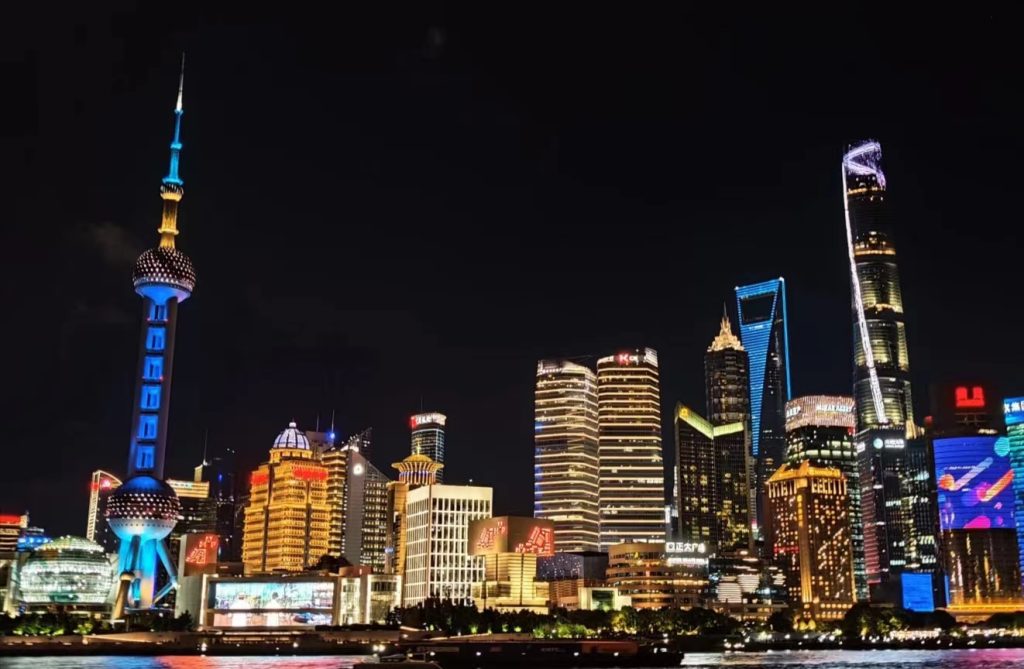
Evenings on the Bund are defined by restraint. Historic buildings are illuminated in warm, cohesive tones, emphasizing architectural lines rather than spectacle. Across the river, Lujiazui responds in cooler hues, its towers glowing with a measured intensity. The effect is not theatrical, but conversational—a visual dialogue between eras. This balance makes the Bund one of the most refined settings for Shanghai night photography, and an ideal place for an unhurried evening walk.
The Bund’s significance lies not in symbolic narratives, but in its honesty. It is both a landmark and a lived-in space, shared by visitors and residents alike. For first-time travelers, it offers an elegant introduction to Shanghai’s character. For seasoned visitors, it remains a place worth revisiting—each walk revealing new relationships between space, light, and time. In a city defined by momentum, the Bund stands as a reminder that some experiences are best appreciated slowly.
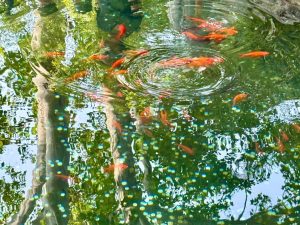
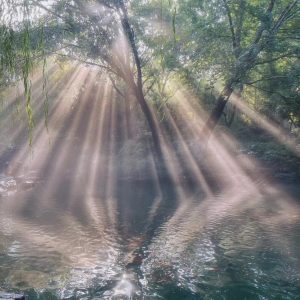
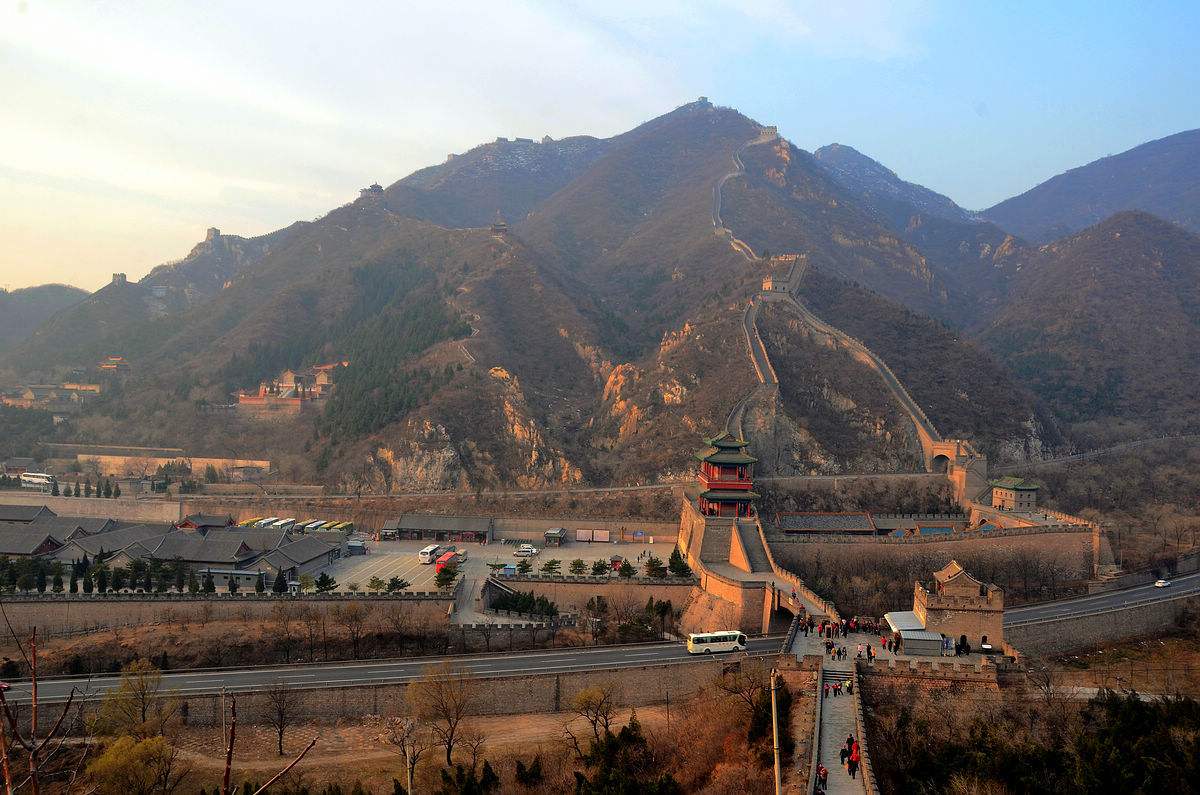 Juyongguan is a famous gate along the Great Wall. It is known as one of the three major gates of the Great Wall. It is built along the mountain and is very steep. On the tower of Juyongguan, there is a plaque of “天下第一雄关”, where people like to take photo. Moreover, the mountains are beautiful and the trees are layered on top of each other. The “Juyong Pinnacle” is also the famous scenery around the capital.
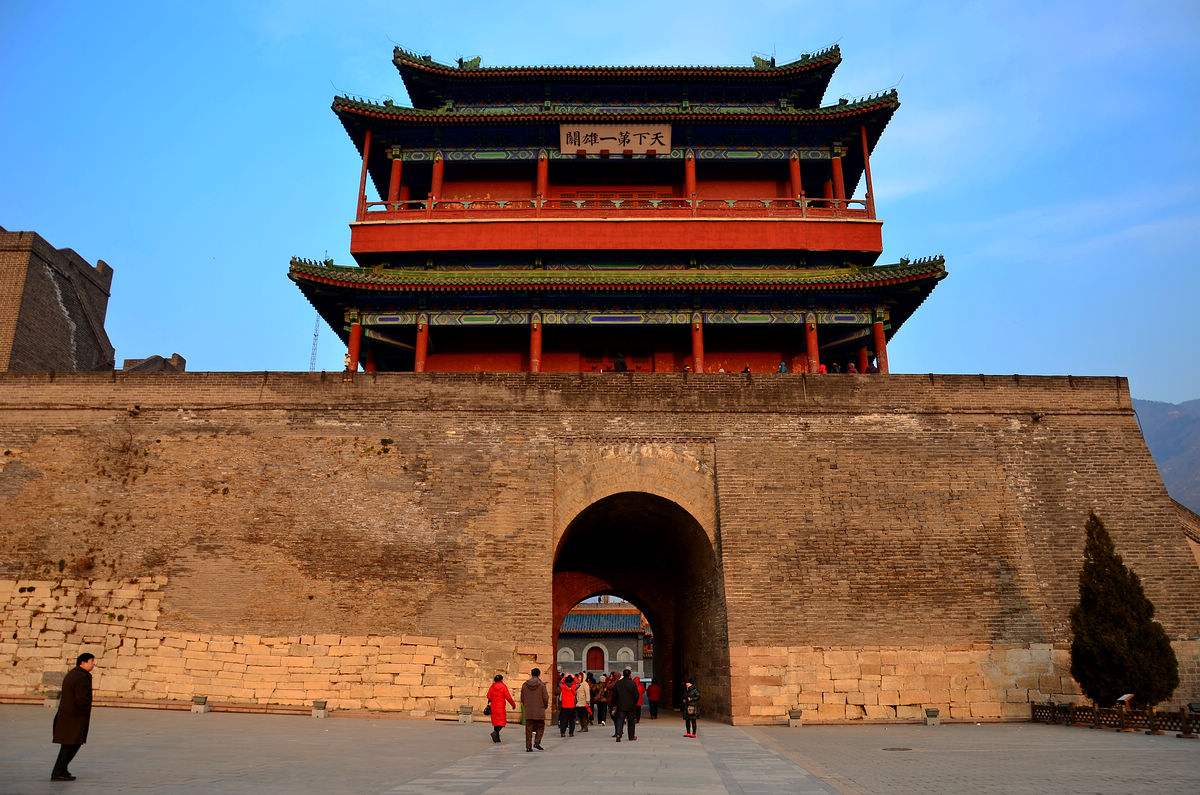 After purchasing tickets at the gate of Guancheng, you can enter the scenic spot. There are many cultural attractions in the scenic spot, which enshrine ancient celebrities and record the history of Juyongguan. There is also a small lake next to it, you can visit one by one. At the same time, you can admire the tall and majestic towers underneath the south and north gates of the scenic spot.
 Located on the south bank of the picturesque Songhua River, the terminal square of Central Street, Daoli District, Harbin City, Heilongjiang Province, Harbin Flood Control Memorial Tower was built in 1958 to commemorate the people of Harbin overcoming the great flood in 1957. It is a symbol of this heroic city. It was co-designed by former Soviet designer Bagis Zierev and Harbin Institute of Technology second-generation architect Lee Kuan Yew. The Harbin People’s Flood Control Victory Memorial Tower won the highest honor in the Chinese construction industry.
 The full name of the flood control memorial tower is Harbin People’s Flood Control Victory Memorial Tower. The memorial tower consists of a three-dimensional tower body and an attached corridor. The tower is 22.5 meters high. The tower base is made of blocks, which means that the embankment is firm and indestructible. The fountain in front of the tower base, symbolizing the brave and wisdom of the people of Harbin City, are taming the stormy river water into a long stream, benefiting benefits and eliminating troubles, and benefiting the people. The lower level of the tower represents the altitude of 119.72 meters, marking the highest water level when the flood in Harbin was submerged in 1932; the upper level represents the altitude of 120.30 meters, marking the highest water level when the people of the city defeated the flood in 1957. The memorial tower is a cylinder, and the tower body depicts the vivid plot of the victory over the flood in relief. On the top of the tower is a round sculpture of workers, peasants, soldiers and intellectuals, showing the heroic image of defeating the flood. Behind the tower is an ancient Roman-style cloister, which is surrounded by 20 columns, blending with the memorial tower into a scene, to be harmonious and spectacular. This is a tourist attraction worth sightseeing in Harbin.
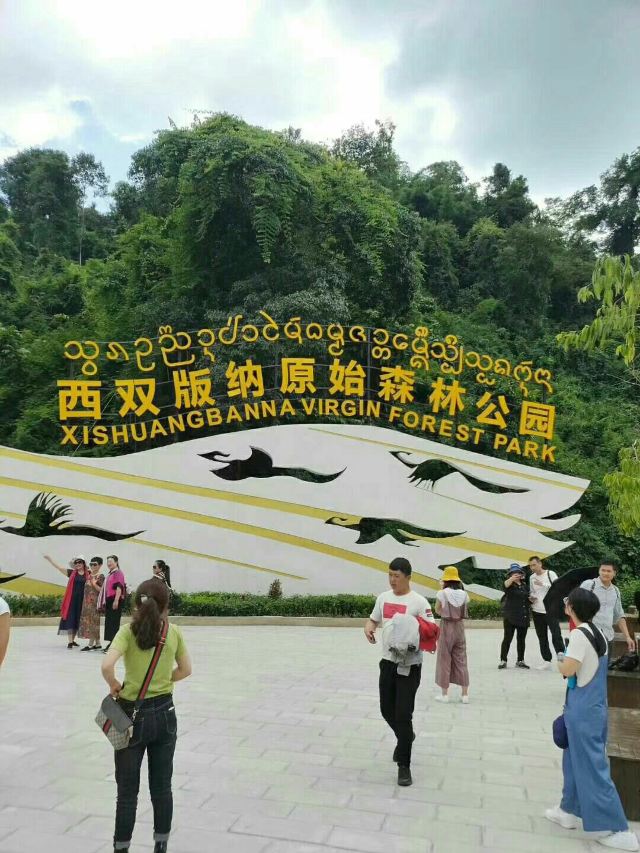 Xishuangbanna Virgin Forest Park, located to the east of Jinghong and north of Lancang River, 8 kilometers away from the seat of the state capital, is the virgin forest closest to Jinghong City in Quanzhou. The park is built on the basis of 25,000 acres of tropical valley rainforest. The forest coverage rate in the park exceeds 98%. It is a natural oxygen bar. There are gully rain forests, flying peacock, folk songs and dances, delicious food, water splashing carnival and other projects in the park. It is one of the largest comprehensive ecological tourist attractions in Xishuangbanna. The concept of fashionable life with nature, ecology, environmental protection, leisure, health, etc. as the main elements is embodied through the ethnic folk culture season in winter, the peacock culture season in spring, the rainforest culture season in summer and the ethnic costume season in autumn.
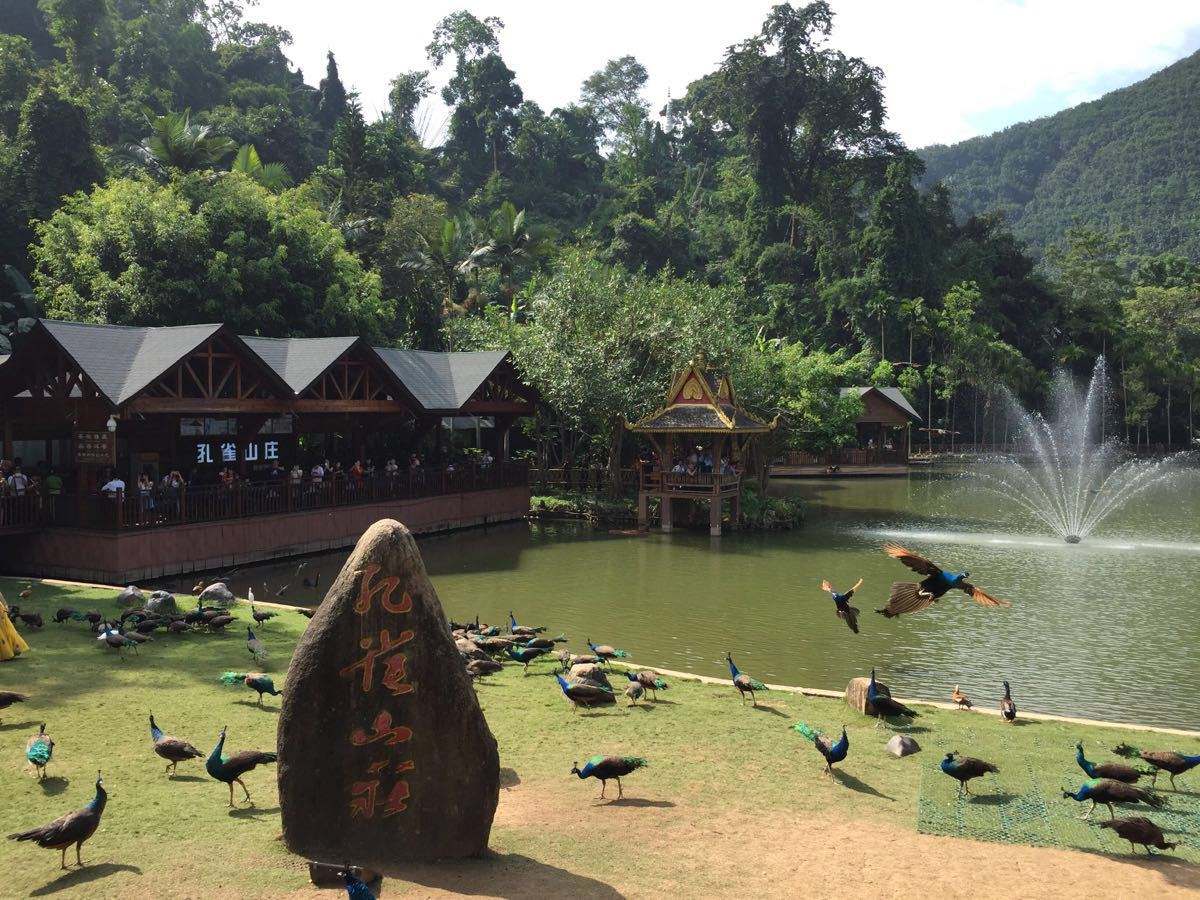 In Xishuangbanna, it is not uncommon to be close to animals. It is easy to appreciate the peacocks on the screen and greet the guests and see monkeys playing with people. When you come here, you will be able to fully feel the harmony between man and nature, and between man and animal. In general, Xishuangbanna Virgin Forest Park is famous for its magical tropical rainforest natural landscape and ethnic customs. You can enjoy the air of the natural oxygen bar, see the beauty of the tropical rainforest, and experience minority folk-custom. It is very worth a visit.
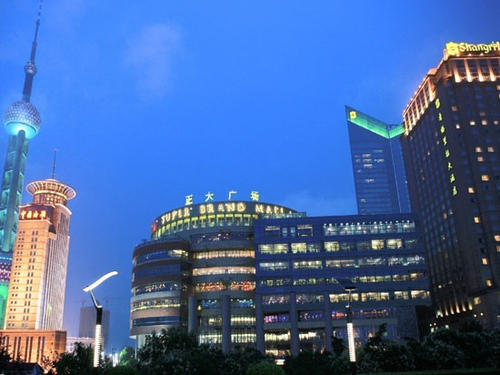 Super Brand Mall is located in the Lujiazui Financial Center by the Huangpu River, adjacent to popular attractions such as the Oriental Pearl Tower, Jinmao Tower, and the World Financial Center. The high-rise buildings of Lujiazui Financial Center can be clearly seen on the skybridge outside the square. It is a good place for photography.
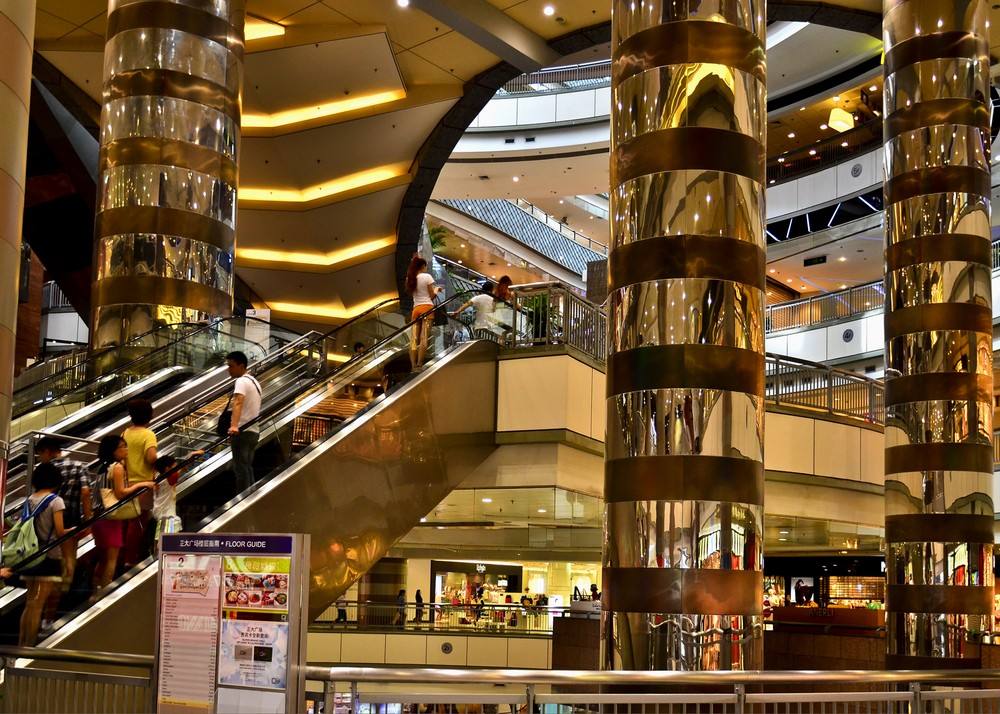 The location of Super Brand Mall is very superior and the transportation is convenient. At Lujiazui Station of Metro Line 2, walk out of the metro station and walk up to the raised bridge, which is connecting all directions, with signs on every side. You can reach Super Brand Mall directly. Super Brand Mall is near the Oriental Pearl Tower, Shanghai Ocean Aquarium and other attractions. From the bridge to the Super Brand Mall for shopping, the shopping environment of the entire mall is very good, clean, bright and distinct. You can buy some imported food in the supermarket on the basement level. There are a lot of imported foods here, and they are cheap. There are popular shops such as HM, Gap and CA on the first floor, and there are usually discounts. There are several restaurants on the 8th floor that you can also try.