For travelers accustomed to moving between global capitals, the Bund rarely feels like a checklist destination. Instead, it reveals itself as a place best experienced slowly—on foot, without urgency, and preferably with time to linger.
Stretching along the western bank of the Huangpu River, the Bund functions less as an attraction and more as an urban gallery. It’s where Shanghai’s layered identity becomes quietly legible: not explained through plaques or museums, but felt through proportion, material, and atmosphere. For many discerning visitors, this understated clarity makes the Bund an essential chapter in any Shanghai travel guide.
Architectural Restraint | The Historic Grandeur of the Bund
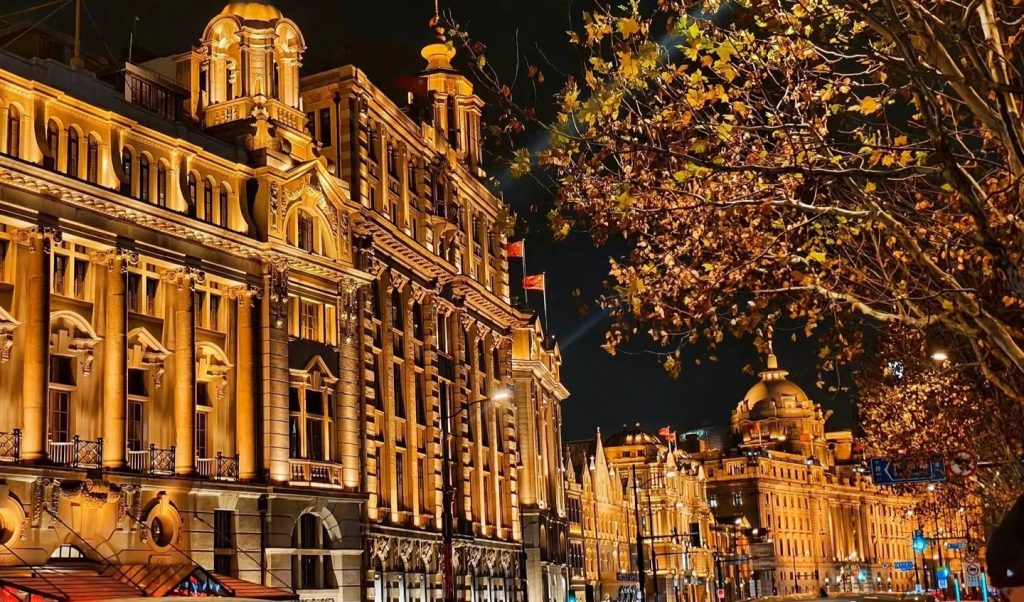
What immediately commands attention on the Bund is not height, but balance. A continuous row of early 20th-century buildings lines the avenue—former banks, trading houses, and hotels designed in Neoclassical, Art Deco, and subtly Baroque styles. Often referred to as the “Bund International Architecture Ensemble,” these structures share a consistent rhythm despite their stylistic differences.
Their appeal lies in restraint: solid stone façades, measured ornamentation, and human-scaled proportions. For Western travelers familiar with European urban centers, the streetscape can evoke parts of Paris or London—yet the setting, the light, and the context are unmistakably Shanghai. This refined tension between familiarity and difference defines much of the Bund’s allure.
The Huangpu River | A Natural Axis of Time

The Huangpu River does more than separate two sides of the city—it separates two philosophies of urban expression. On the Bund side, architecture communicates permanence and legacy. Across the water, glass towers and steel silhouettes of Pudong’s Lujiazui district speak of efficiency, ambition, and speed. The river itself remains calm, functional, and quietly authoritative, carrying ferries and cargo vessels as it has for generations.
For high-end travelers, this juxtaposition requires no explanation. Simply standing along the riverbank offers one of the most eloquent Shanghai sightseeing experiences—a visual narrative of continuity and reinvention.
Lujiazui | Shanghai’s Contemporary Counterpart
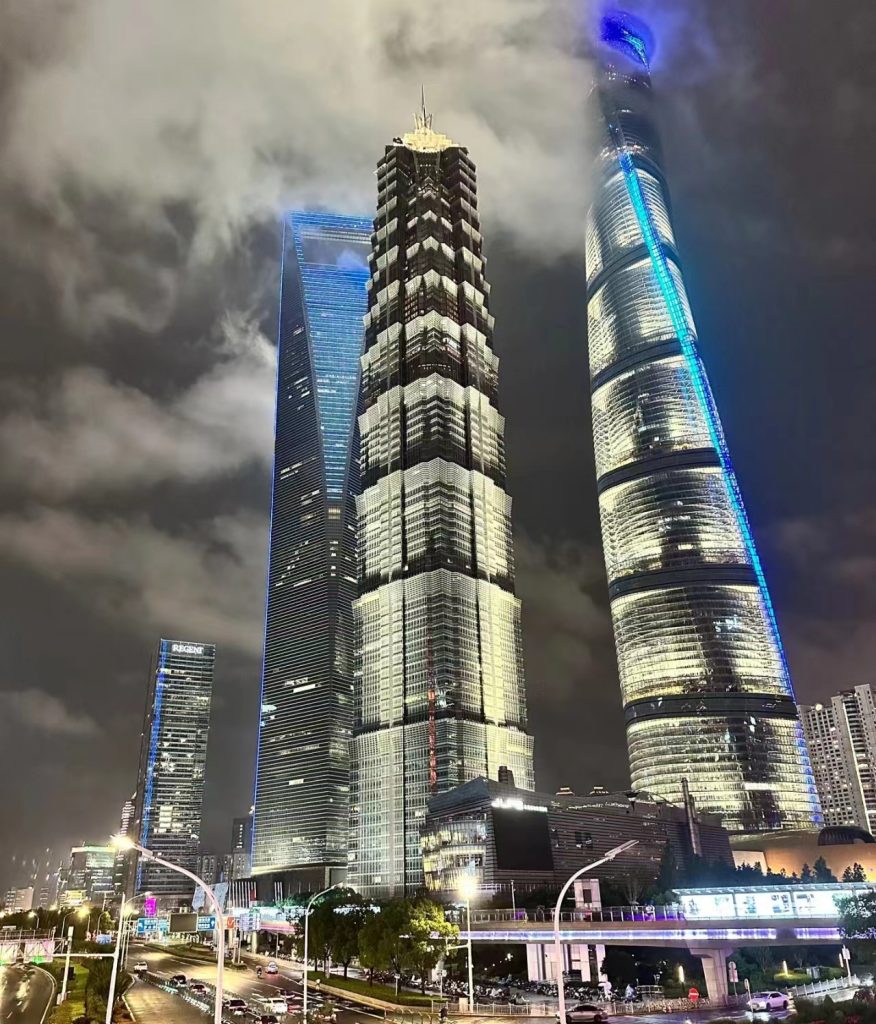
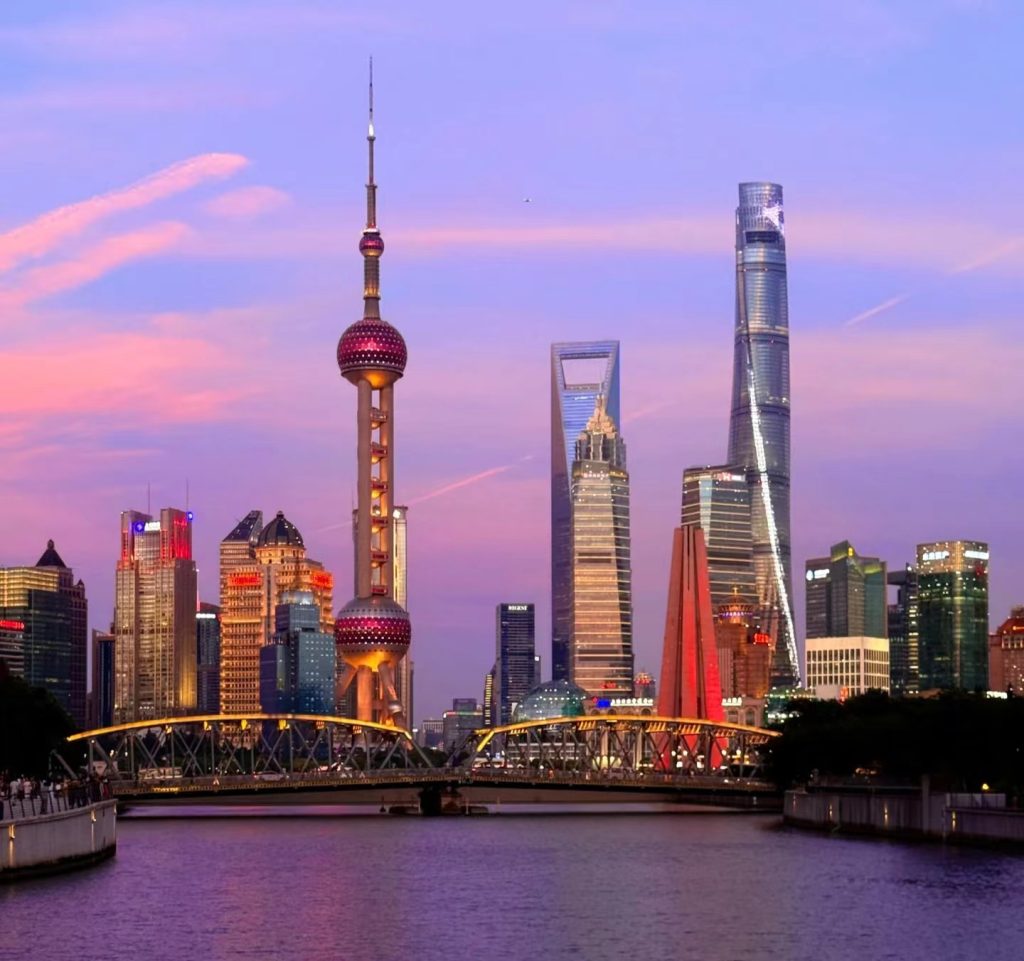
Seen from the Bund, Lujiazui’s skyline feels deliberately composed rather than chaotic. Shanghai Tower, the World Financial Center, and the Oriental Pearl rise with confidence, their forms precise and unapologetically modern. From this vantage point, the contrast becomes architectural rather than ideological—old and new sharing the same horizon without diminishing each other.
This perspective is particularly compelling for travelers who appreciate cities not for spectacle alone, but for how thoughtfully they layer time. It’s one of the most quietly powerful things to do in Shanghai, especially at dusk.
Waibaidu Bridge | A Pause in the Narrative
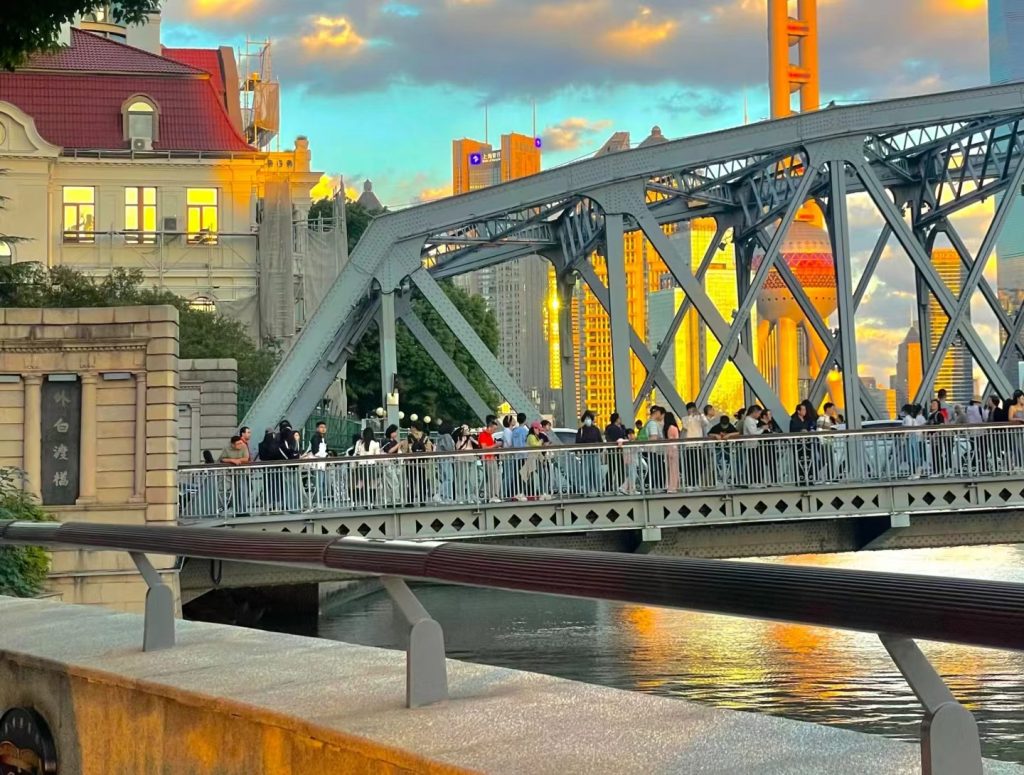
A short walk north leads to Waibaidu Bridge, where the Huangpu meets Suzhou Creek.
Unlike the main Bund promenade, this area is noticeably calmer. The steel structure of the bridge, long featured in historical photographs, frames a multi-layered cityscape: waterways below, historic façades nearby, and modern towers receding into the distance. For travelers seeking moments of reflection rather than crowds, this is an ideal place to pause—camera optional, observation essential.
The Peace Hotel | Enduring Elegance on the Bund
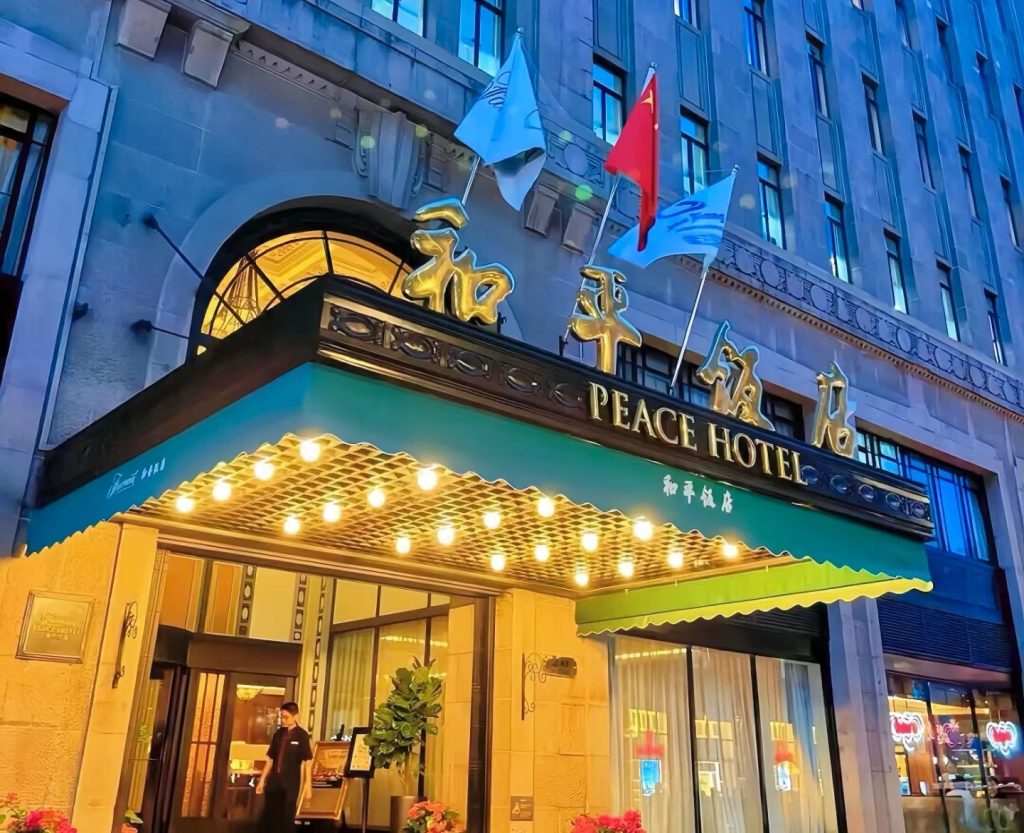
Among the Bund’s landmarks, the Peace Hotel retains a particular gravitas.
An Art Deco masterpiece, it once served as a social anchor for Shanghai’s international elite. Today, its presence remains quietly authoritative. Even without stepping inside, its copper-green roofline and symmetrical façade communicate a sense of continuity rarely found in rapidly evolving cities. For culturally attuned visitors, the Peace Hotel represents not nostalgia, but endurance—history that still occupies space with confidence.
The Bund After Dark | Understated, Not Performative
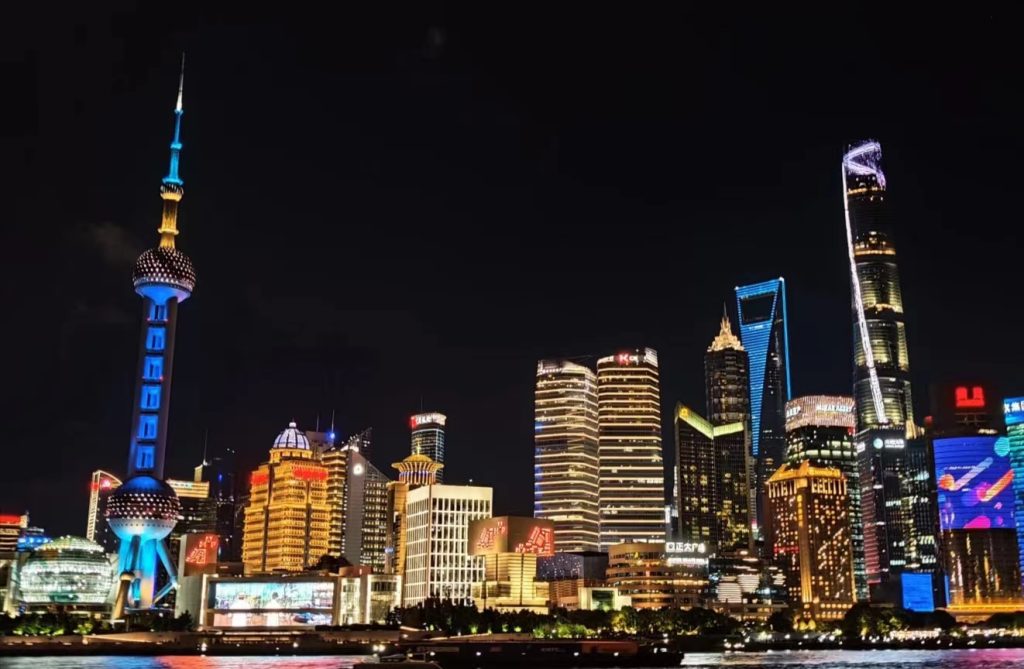
Evenings on the Bund are defined by restraint. Historic buildings are illuminated in warm, cohesive tones, emphasizing architectural lines rather than spectacle. Across the river, Lujiazui responds in cooler hues, its towers glowing with a measured intensity. The effect is not theatrical, but conversational—a visual dialogue between eras. This balance makes the Bund one of the most refined settings for Shanghai night photography, and an ideal place for an unhurried evening walk.
The Bund’s significance lies not in symbolic narratives, but in its honesty. It is both a landmark and a lived-in space, shared by visitors and residents alike. For first-time travelers, it offers an elegant introduction to Shanghai’s character. For seasoned visitors, it remains a place worth revisiting—each walk revealing new relationships between space, light, and time. In a city defined by momentum, the Bund stands as a reminder that some experiences are best appreciated slowly.
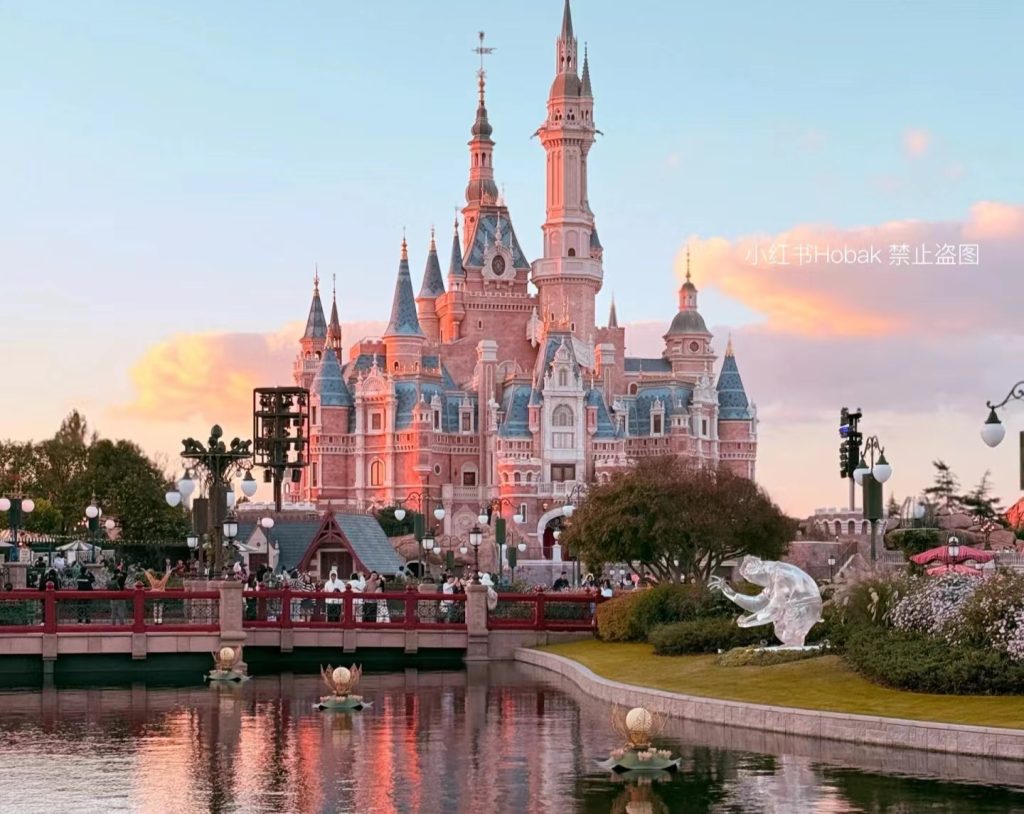
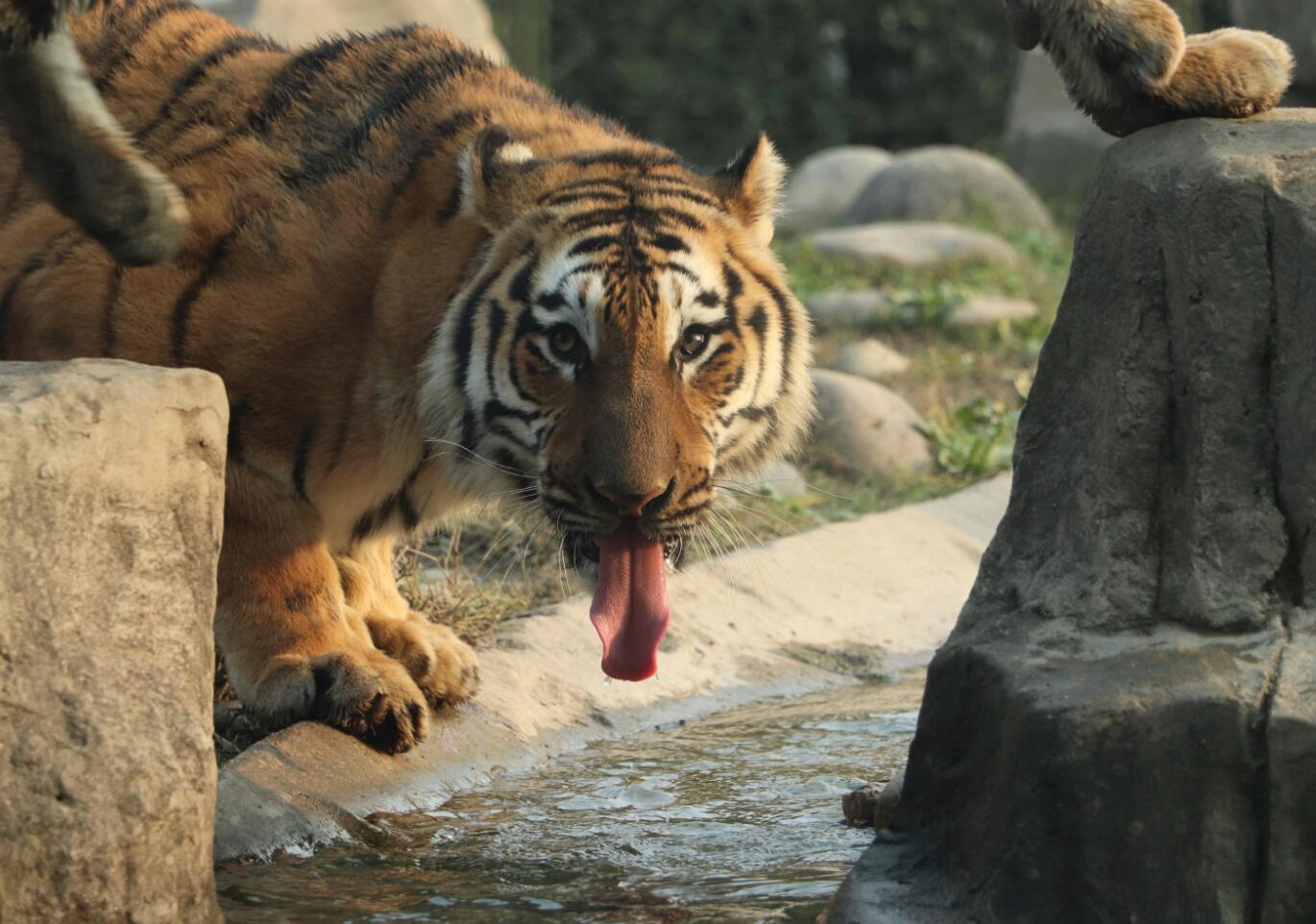 You can obviously feel that the park is working hard to build a brand: all the park staff are courteous; and all free performances are also carefully arranged, and they design different humorous topics, the whole performance are filled with ease and happiness, and there is no cruelty or discomfort to force animals to make the performances; public toilets, rest spots, small shops, shuttle buses and other supporting facilities are also reasonable and sufficient.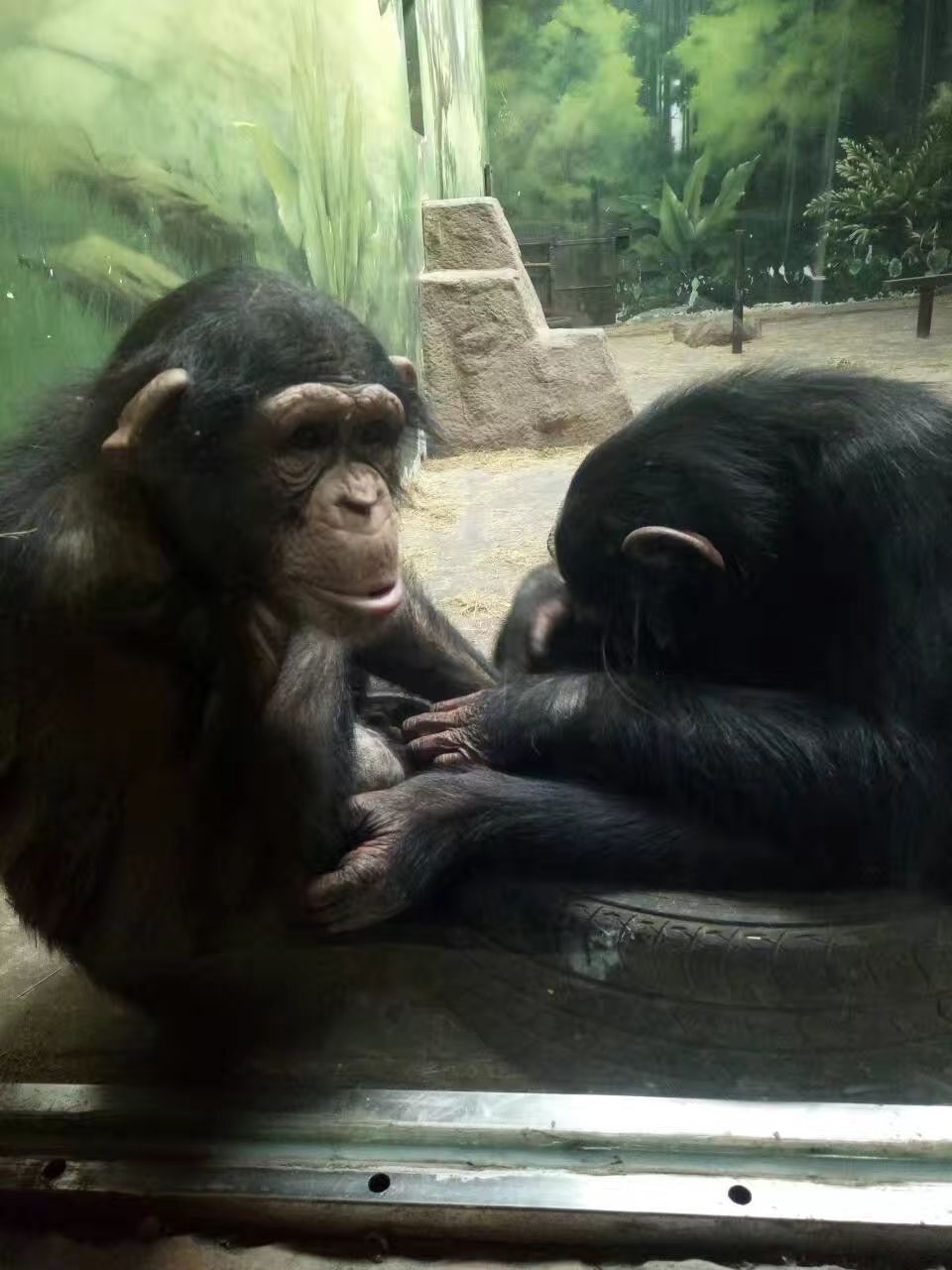
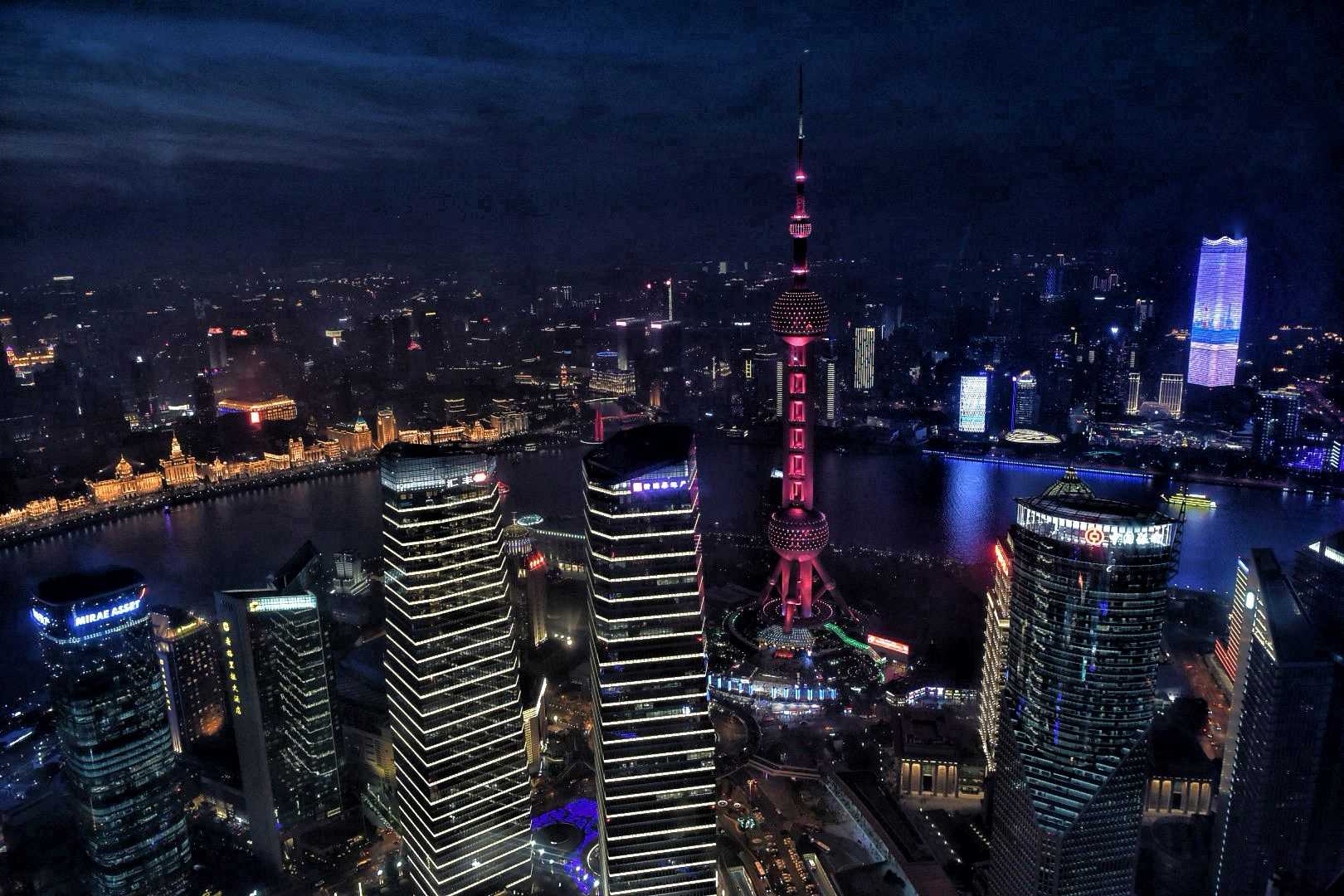 Shanghai Jinmao Tower is located at No. 88, Century Avenue, Pudong New Area, Shanghai. It is located in the center of Lujiazui Finance and Trade Zone, east to Pudong New Area, west to Shanghai and Huangpu River, south to Pudong Zhangyang Road Commercial and Trade Zone, and north to the Central green space which covers an area of 100,000 square meters.
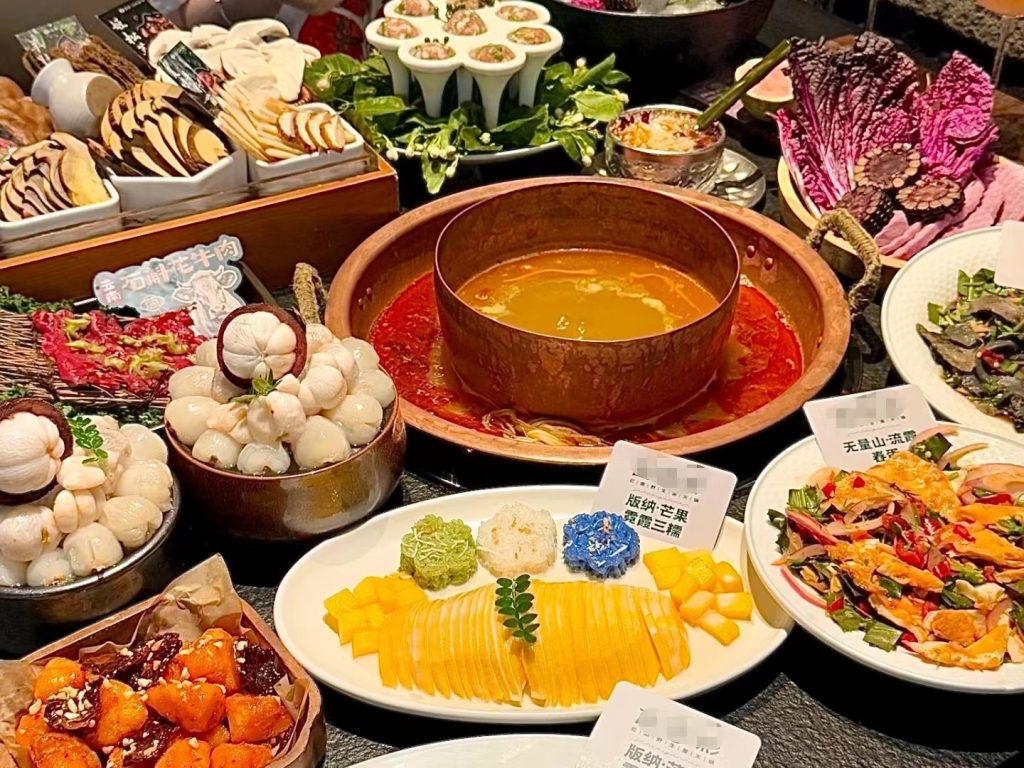
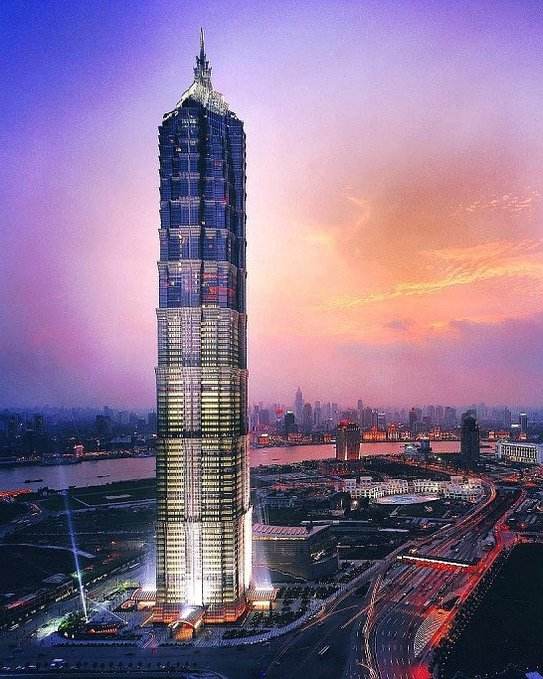 Jinmao Tower was once the tallest building in Shanghai, and the buffet above it is Shanghai’s high-end cuisine. Compared with other buffets, Jinmao buffet food is better, which is very authentic, and it has two characteristics: its seafood ingredients are very delicious, authentic, salmon meat is fat and delicious, sweet shrimp is tasty, and the taste and quality of its dessert are super good, with fantastic appearance and excellent ingredients.
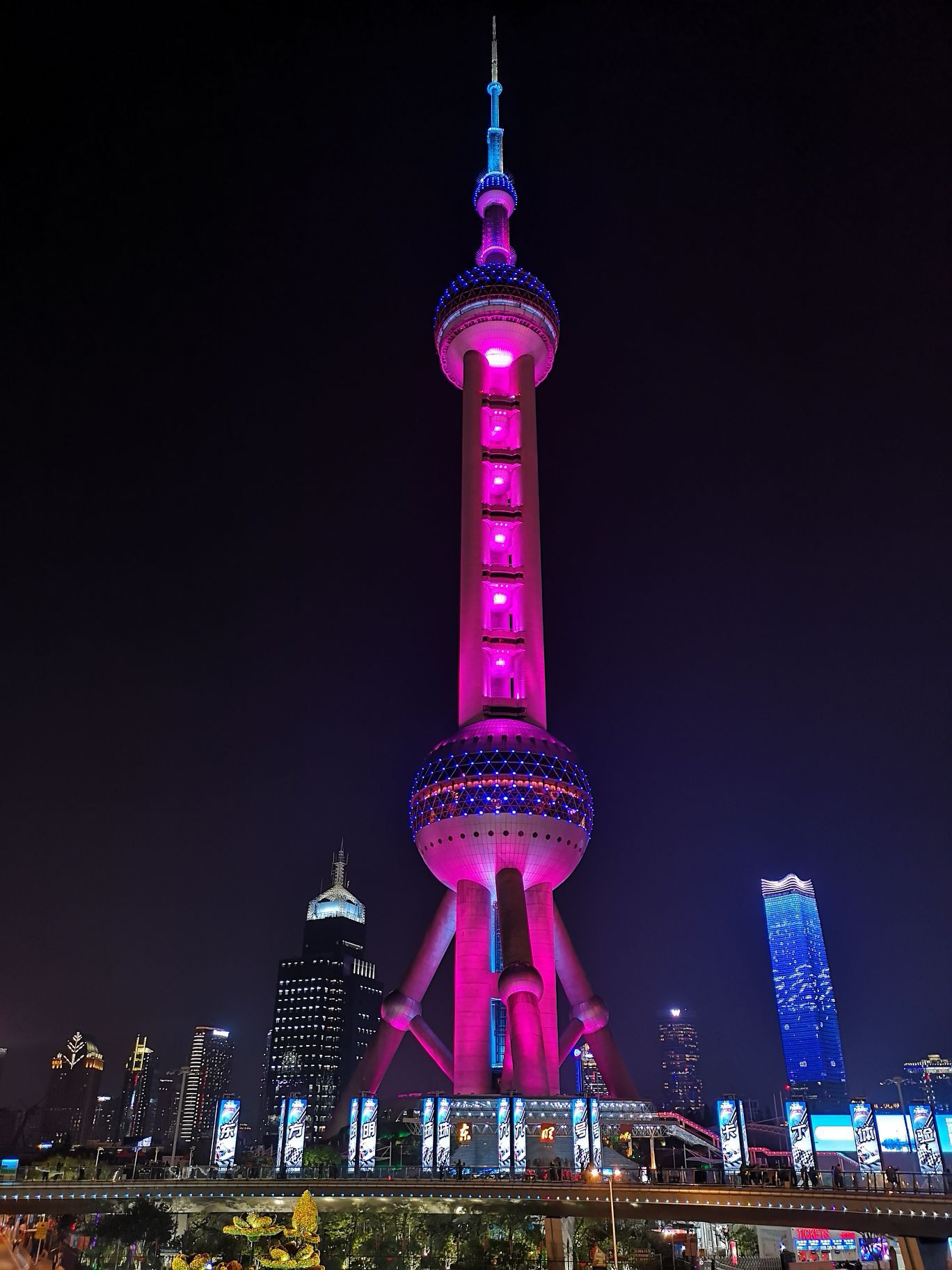
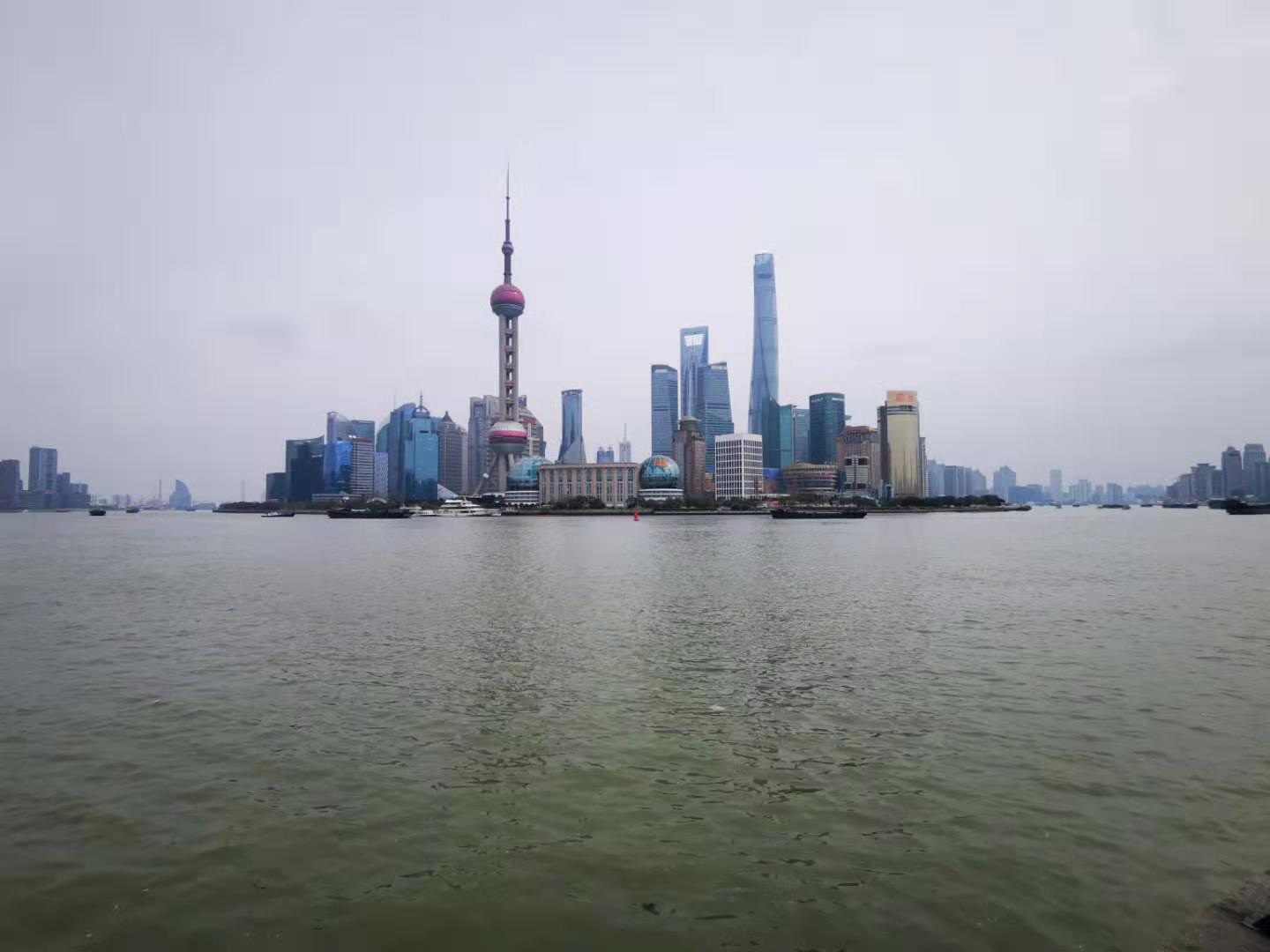 Oriental Pearl TV Tower, as an iconic building in Shanghai, is a best place to look up and down the high-rise buildings on both sides of the Huangpu River and feel the rhythm of the metropolis.
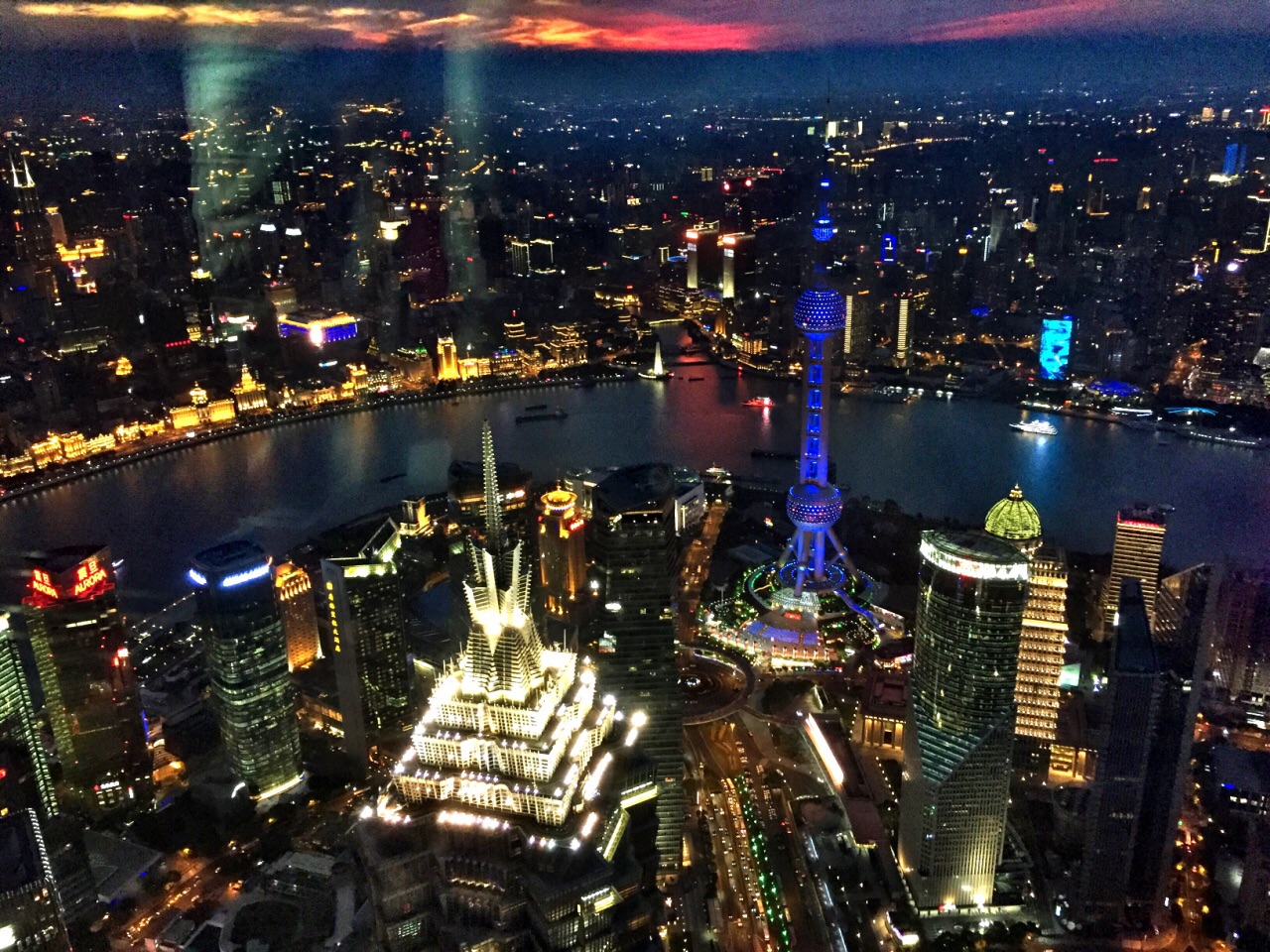 The 101-story, 492-meter-high super high-rise integrated development project is located in Pudong New Area, Shanghai, and the Lujiazui Finance and Trade Center is regarded as Asia’s international financial and trade center. The Shanghai World Financial Center is located in the center of the Lujiazui Finance and Trade Center. It is built on a 100-meter-wide Century Avenue that runs through the center of the area, along with a 100,000-square-meter Central Green Park. The area’s super high-rise buildings can be seen here and there, and many are still under construction, which are gathering government-related institutions and stock exchanges, various commodity exchanges, major banks, trading companies and so on. Moreover, the urban transportation infrastructure from here to the international hub airport Pudong International Airport is also well established.
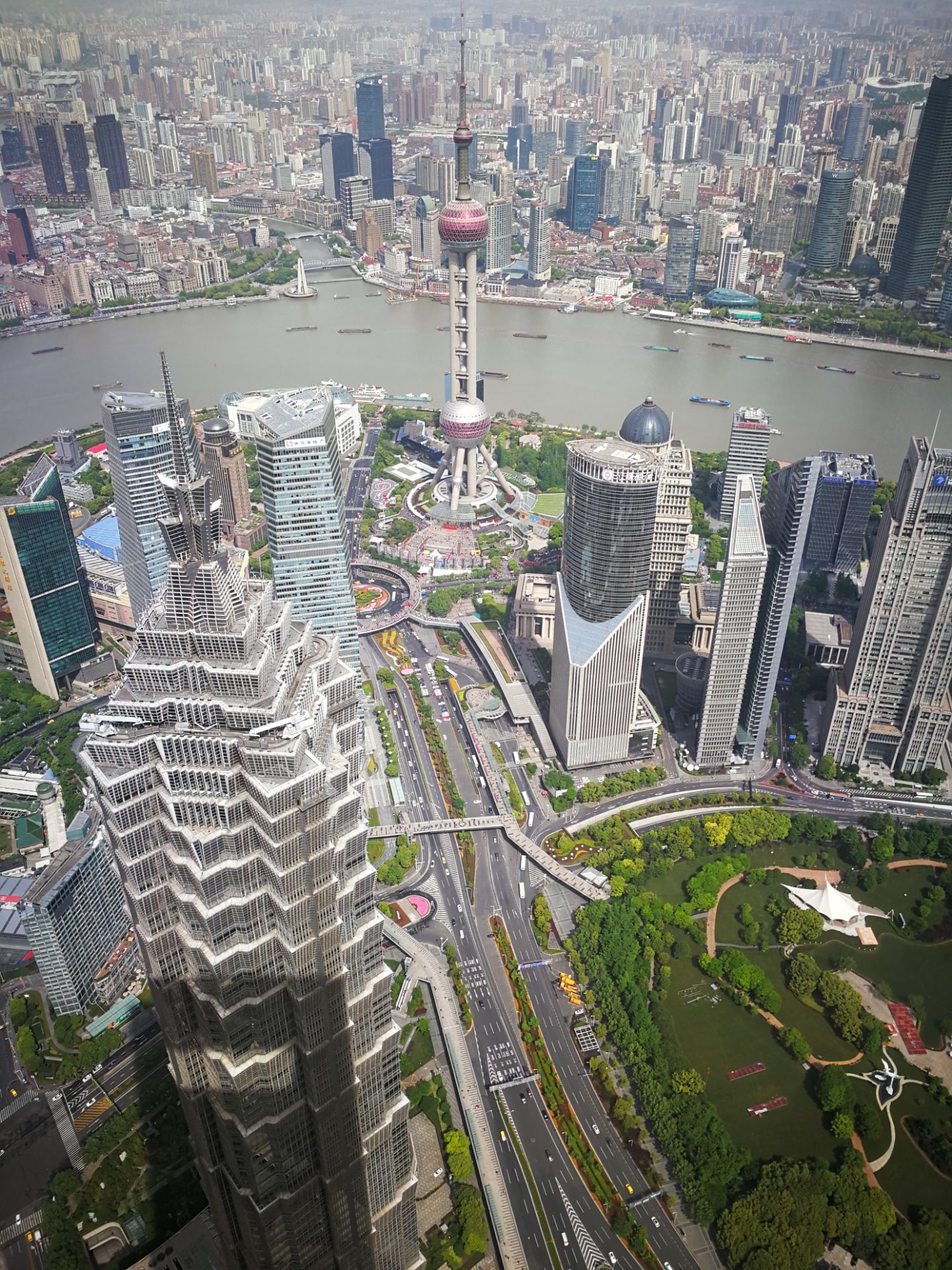 When you are standing in the eye of Shanghai, the whole city seems to be at your feet. Overlooking the scenery on both sides of the Pujiang River during the day, you will feel the history and changes of Shanghai are clear at a glance. At night, you can look at the large and small wheels on the Huangpu River, which are dotted with the river surface like a spark, and the bustling and hustle of Shanghai at night are in front of you. It is a great place to overlook Shanghai landmarks such as the Oriental Pearl and the Bund on the top.
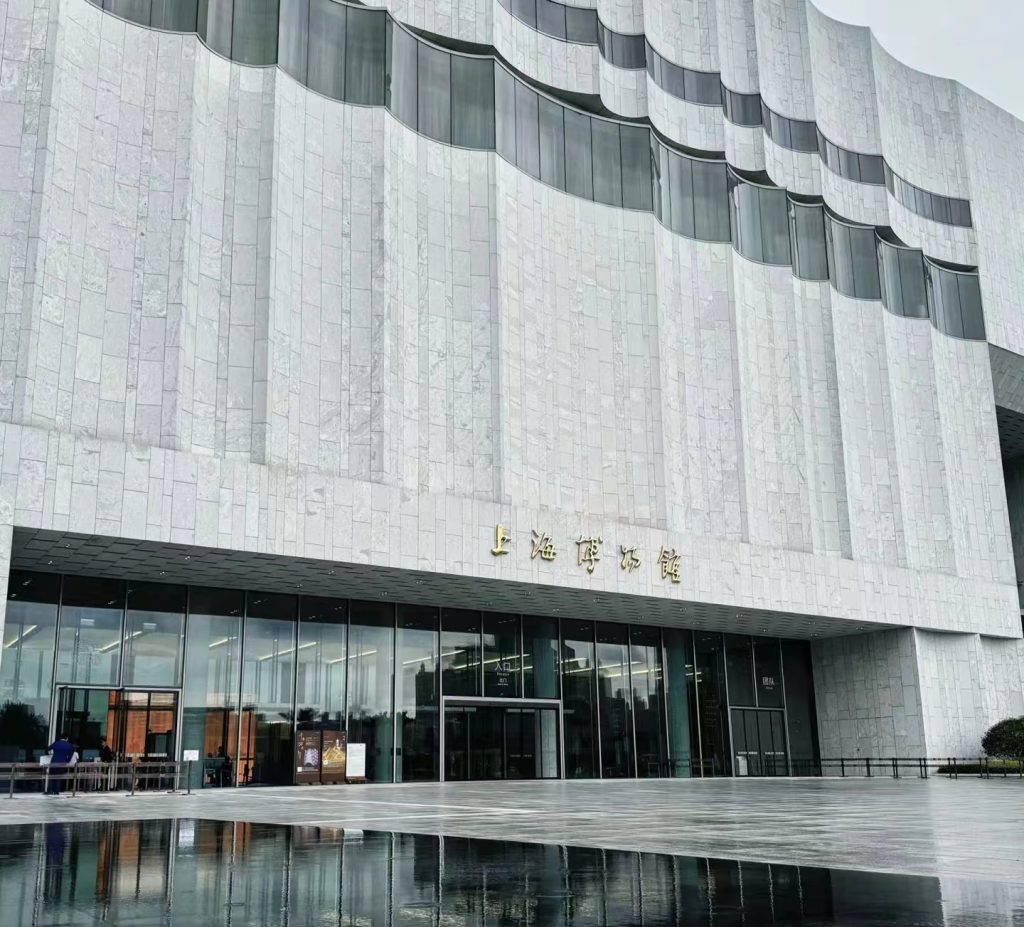
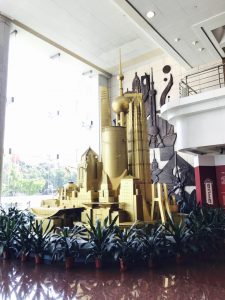 The Shanghai Urban Planning Exhibition Center is located at No. 100, Renmin Avenue, Shanghai. It takes 5 minutes to walk to there after you arrive at the People’s Square Station by subway. Visiting time for the Shanghai Urban Planning Exhibition Center: it will be closed on Monday, usually opens from 9:00 to 17:00, but it will stop checking ticket at 16 o’clock. Tickets for the Shanghai Urban Planning Exhibition Center are 30 yuan/person.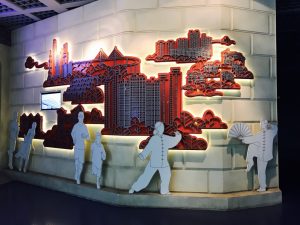
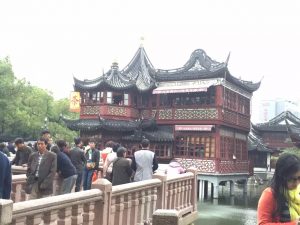 In the area of Shanghai Yu Garden (City God Temple), it is now mainly the Shanghai Commodity Market, and is also the most commercial center with Shanghai characteristics, but most of them are old-fashioned buildings and nostalgic places. This is mainly a distribution center for small commodities.
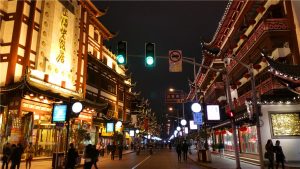 The Old Street is all together with Yu Garden and City God Temple, which features Red ancient buildings, lively small commercial streets, and there are so many people. It is very worthwhile to go a visit there. There are a few large ancient buildings, which are very stylish and lively, and all kinds of small goods are for sale on the street.
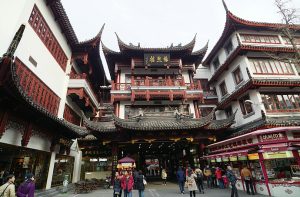 Old City God Temple is located in the center of Shanghai. It reflects the customs of Shanghai people.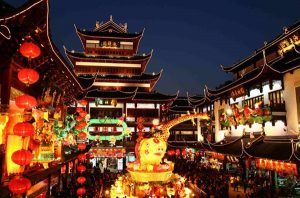
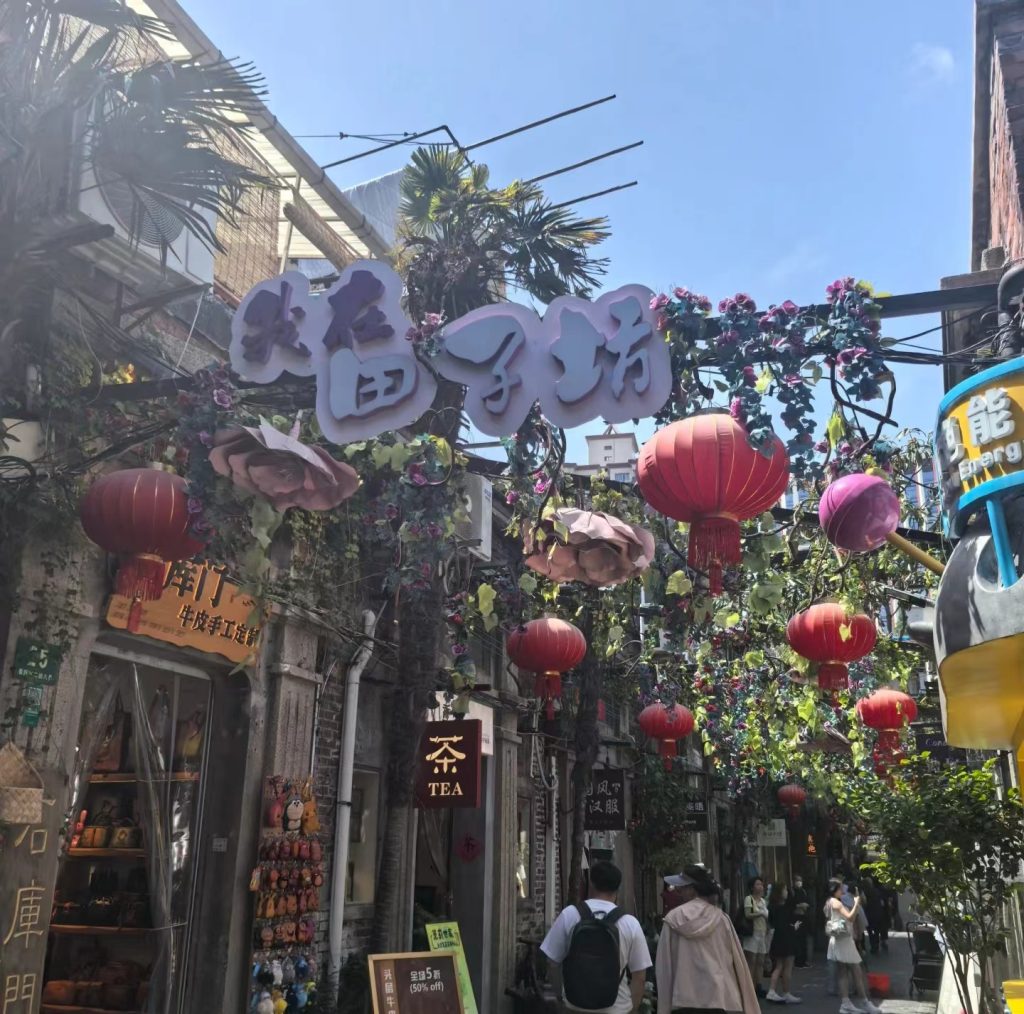
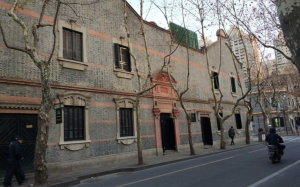 It is true that Xintiandi is a fashionable gathering place that must to be visited during your trip in Shanghai. If you are lucky, you will see a Hollywood movie star meeting here. When playing in Shanghai, you must go deep into it, and you cannot experience the charm of the city without falling into the art of fashion and delicious food.